

Fundamentals of Oversize Load Sign Rules

When transporting an oversized load, it is important to follow the rules and regulations set forth by the province you are traveling through. Oversize load sign rules vary by province, so it is important to research the specific requirements for each province you will be traveling through.
The below should not be considered definitive legal advice, and your own provincial/territorial regulations should be consulted as the ultimate source of information.
Dimensions are a key factor in determining whether a load is considered oversized. Length, width, height, and overhang are all factors that can contribute to a load being classified as oversized. The specific dimensions that classify a load as oversized vary by province.
When it comes to the signs required for an oversized load, the most important sign is the oversized load sign itself. This sign must be displayed on the front and rear of the vehicle or load. In addition to the oversized load sign, warning signs and flags may also be required. These warning signs may include a stop sign or a warning sign with the words “oversize load” or “wide load” displayed prominently.
When it comes to the design of the oversized load sign, there are specific requirements that must be met. The sign must be a minimum of 18 inches in height and 84 inches in length. The letters on the sign must be a minimum of 10 inches in height and 1.375 inches in width. The sign must also include the words “oversized load” or “wide load” in black letters on a yellow background.
It is important to note that oversize load sign rules are not limited to the design and placement of signs. There may also be specific rules regarding the route that can be taken when transporting an oversized load. It is important to research the specific rules and regulations for each province you will be traveling through to ensure that you are in compliance with all requirements.
Related Posts:
Provincial & Territorial Regulations
In Canada, oversize load sign rules vary by province and territory. Each province and territory has its own regulations that govern the use of oversized load signs on vehicles that exceed the standard size limits. Here is a breakdown of the oversized load sign rules in each province and territory:
Ontario
In Ontario, oversized load signs must be displayed on the front and rear of the vehicle. The sign must be at least 400 mm by 400 mm in size and have black letters on a yellow background. The sign must be visible from a distance of at least 150 meters.
Here’s an example:

Alberta
In Alberta, oversize load signs must be displayed on the front and rear of the vehicle. The sign must be at least 400 mm by 400 mm in size and have black letters on a yellow background. The sign must be visible from a distance of at least 150 meters.
British Columbia
In British Columbia, oversize load signs must be displayed on the front and rear of the vehicle. The sign must be at least 400 mm by 400 mm in size and have black letters on a yellow background. The sign must be visible from a distance of at least 150 meters.
Manitoba
In Manitoba, oversize load signs must be displayed on the front and rear of the vehicle. The sign must be at least 400 mm by 400 mm in size and have black letters on a yellow background. The sign must be visible from a distance of at least 150 meters.
New Brunswick
In New Brunswick, oversize load signs must be displayed on the front and rear of the vehicle. The sign must be at least 400 mm by 400 mm in size and have black letters on a yellow background. The sign must be visible from a distance of at least 150 meters.
Newfoundland & Labrador
In Newfoundland & Labrador, oversize load signs must be displayed on the front and rear of the vehicle. The sign must be at least 400 mm by 400 mm in size and have black letters on a yellow background. The sign must be visible from a distance of at least 150 meters.
Nova Scotia
In Nova Scotia, oversize load signs must be displayed on the front and rear of the vehicle. The sign must be at least 400 mm by 400 mm in size and have black letters on a yellow background. The sign must be visible from a distance of at least 150 meters.
Prince Edward Island
In Prince Edward Island, oversized load signs must be displayed on the front and rear of the vehicle. The sign must be at least 400 mm by 400 mm in size and have black letters on a yellow background. The sign must be visible from a distance of at least 150 meters.
Quebec
In Quebec, oversized load signs must be displayed on the front and rear of the vehicle. The sign must be at least 400 mm by 400 mm in size and have black letters on a yellow background. The sign must be visible from a distance of at least 150 meters.
Saskatchewan
In Saskatchewan, oversize load signs must be displayed on the front and rear of the vehicle. The sign must be at least 400 mm by 400 mm in size and have black letters on a yellow background. The sign must be visible from a distance of at least 150 meters.
Northwest Territories
In the Northwest Territories, oversized load signs must be displayed on the front and rear of the vehicle. The sign must be at least 400 mm by 400 mm in size and have black letters on a yellow background. The sign must be visible from a distance of at least 150 meters.
Nunavut
In Nunavut, oversized load signs must be displayed on the front and rear of the vehicle. The sign must be at least 400 mm by 400 mm in size and have black letters on a yellow background. The sign must be visible from a distance of at least 150 meters.
Yukon
In Yukon, oversize load signs must be displayed on the front and rear of the vehicle. The sign must be at least 400 mm by 400 mm in size and have black letters on a yellow background. The sign must be visible from a distance of at least 150 meters.
Safety Measures and Precautions
When transporting an oversized load, safety measures and precautions are of utmost importance. These measures ensure the safety of the driver, the load, and other motorists on the road. Here are some of the safety measures and precautions that you should take when transporting an oversize load:
Flags and Warning Flags
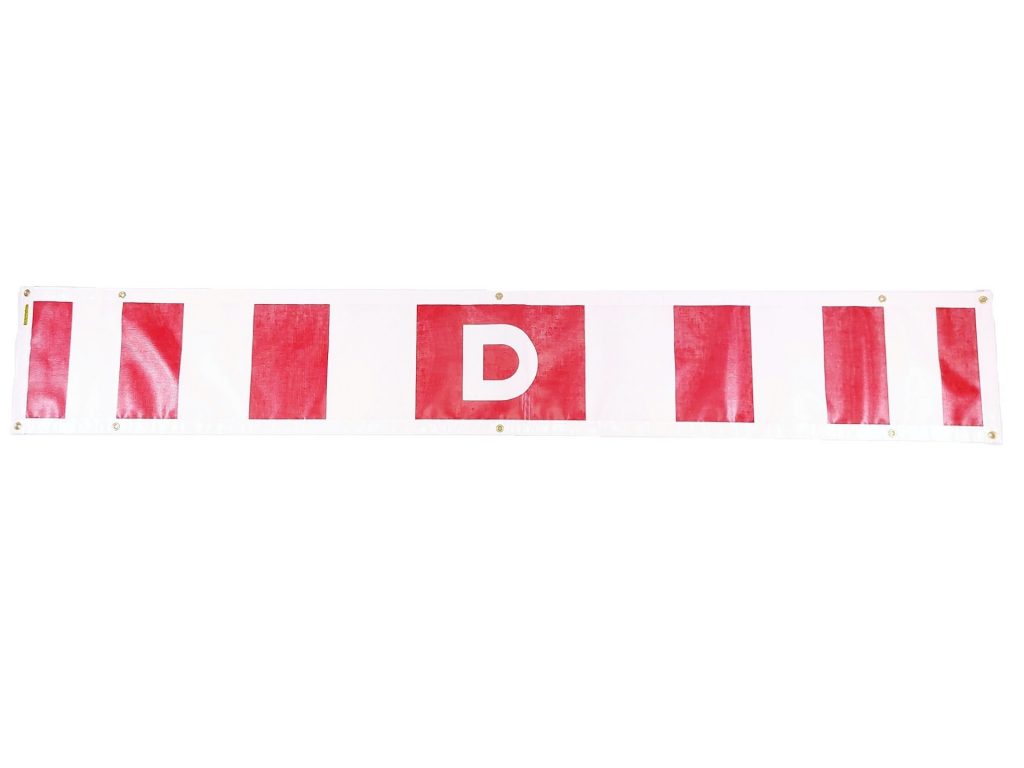
Flags and warning flags are essential safety tools when transporting oversize loads. They help to alert other motorists of the presence of an oversized load on the road. The flags should be bright and visible from a distance. They should be placed at the front and rear of the load and on the sides of the load if it is wider than the vehicle transporting it.
Retro-Reflective Material
Retro-reflective material is another important safety tool when transporting an oversized load. It helps to reflect light from other vehicles, making the load more visible at night. The material should be placed on the front, sides, and rear of the load.
Lights and Warning Lights
Lights and warning lights are also important safety tools when transporting an oversized load. They help to make the load more visible to other motorists. The lights should be placed on the front, sides, and rear of the load. Warning lights should also be placed on the pilot vehicle or escort vehicle.
Escorts and Pilot Cars
In some provinces, escorts or pilot cars are required when transporting an oversized load. These vehicles help to alert other motorists of the presence of an oversized load on the road. They also help to ensure that the load is transported safely and without incident.
It is important to note that the rules and regulations regarding oversized load transportation vary by province. It is important to familiarize yourself with the rules and regulations in your province before transporting an oversized load.
Related Posts:
Permit and Application Process
When transporting oversized and overweight loads, it is important to obtain the necessary permits to ensure that the load can be transported safely and legally. The permit and application process varies by province but generally involves submitting an application and paying a fee to receive a permit.
Most provinces require a single-trip permit for oversized and overweight loads. These permits are issued on a per-trip basis and are valid for a specific route and time frame. In some cases, a blanket permit may be issued for a specific period of time, allowing multiple trips within that timeframe.
To obtain an oversized/overweight permit, you will typically need to provide information about the load, including its dimensions, weight, and route. You may also be required to provide proof of insurance and registration, as well as comply with certain safety regulations.
In addition to obtaining permits, carriers transporting oversized and overweight loads may also need to comply with the International Fuel Tax Agreement (IFTA) and the International Registration Plan (IRP). These agreements help ensure that carriers pay the appropriate taxes and fees when operating across multiple jurisdictions.
Overall, the permit and application process for oversized and overweight loads can be complex and time-consuming. It is important to work with a knowledgeable and experienced carrier to ensure that all necessary permits and regulations are met.
International and US-Specific Rules
When transporting oversized loads internationally, it is important to be aware of the specific rules and regulations in each country. In the United States, oversized loads are defined as any load that exceeds 8 feet 6 inches in width, 13 feet 6 inches in height, or 80,000 pounds in weight. Oversize loads must be marked with an oversized load sign, which is a yellow and black sign that is placed on the front and rear of the vehicle.
In addition to the oversized load sign, some states in the US require additional warning signs, such as “Wide Load” or “Long Load” signs. It is important to check the specific regulations in each state before transporting an oversized load.
When transporting oversized loads internationally, it is important to comply with the International Fuel Tax Agreement (IFTA) and the International Registration Plan (IRP). These agreements simplify the process of reporting and paying fuel taxes and registering vehicles across multiple jurisdictions.
Overall, it is important to do research and understand the specific rules and regulations in each jurisdiction before transporting an oversized load. Failure to comply with these regulations can result in fines and delays.
Vehicle and Axle Regulations
When it comes to oversized load sign rules, it’s important to understand the regulations surrounding vehicle and axle weight limits. Each province in Canada has its own set of rules and guidelines for oversized loads, so it’s important to research and follow the regulations in your specific area.
In general, most provinces have regulations in place for single axle, tandem axle, and Tridem Axle weight limits. These regulations typically include both gross vehicle weight limits and axle weight limits. It’s important to note that these weight limits can vary depending on the type of vehicle and its configuration.
For example, some provinces may have different weight limits for vehicles with dual tires or for vehicles with a certain tractor wheelbase. Additionally, some provinces may have regulations in place for steering axles or for certain vehicle configurations, such as truck and trailer combinations.
It’s important to carefully consider these regulations when planning an oversized load move to ensure that your vehicle and axle weight limits are within the legal limits for your area. Failure to comply with these regulations can result in fines or other penalties.
Overall, understanding the vehicle and axle weight regulations in your province is essential for safely and legally transporting oversized loads. By doing your research and following the guidelines set forth by your province, you can ensure a successful and compliant oversized load move.
Traffic Management and Planning
When it comes to oversized load sign rules, proper traffic management and planning are critical components in ensuring the safe and efficient transport of oversized loads. A traffic management plan (TMP) is a comprehensive document that outlines the measures and procedures that will be implemented to manage traffic during the transport of an oversized load. The TMP should be developed in collaboration with relevant authorities and stakeholders to ensure that it meets the requirements of the specific transport route.
Multi-lane controlled access highways, such as freeways and expressways, are often used to transport oversized loads due to their wider lanes and fewer intersections. However, transporting oversized loads on these highways can still pose significant challenges and risks. To mitigate these risks, it is important to implement appropriate traffic management measures, such as:
- Closing certain lanes or sections of the highway to regular traffic
- Providing advance warning signs and flaggers to alert drivers of the oversized load and potential traffic disruptions
- Coordinating with law enforcement to provide escorts and enforce traffic laws
- Conducting a thorough route survey to identify any potential obstacles or hazards
In addition to traffic management measures, proper planning is also crucial for the safe and efficient transport of oversized loads. This includes:
- Obtaining the necessary permits and approvals from relevant authorities
- Conducting a thorough assessment of the load and transport vehicle to ensure that they meet all safety requirements
- Identifying the most suitable transport route based on factors such as road conditions, traffic volume, and potential hazards
- Coordinating with relevant stakeholders, such as utility companies, to ensure that any necessary infrastructure modifications are made prior to the transport
Overall, proper traffic management and planning are essential for the safe and efficient transport of oversized loads. By implementing appropriate measures and procedures, transport companies can minimize risks and ensure that their oversized load transport operations are conducted in a safe and responsible manner.